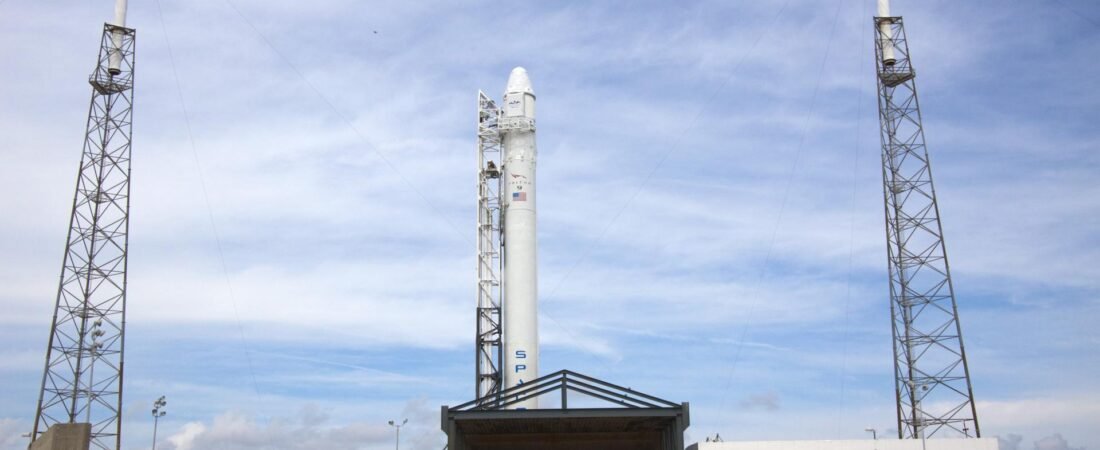
Artemis 2 Achieves Historic Spaceflight Firsts
NASA’s Artemis 2 mission has made history by launching the first crewed lunar flyby in over 50 years, a significant step in humanity’s return to the moon. This mission, packed with groundbreaking achievements, signals a new era of lunar exploration and offers a potential boost for companies involved in the Artemis program. For retail investors in the space sector, this milestone underscores the growing opportunities—and risks—in a rapidly evolving industry.
Context and Impact on the Space Sector
Artemis 2 is not just a symbolic victory; it’s a critical test for NASA’s broader Artemis program, which aims to establish a sustainable human presence on the moon by the end of the decade. The mission’s success validates key technologies, including the Space Launch System (SLS) and Orion spacecraft, both of which are central to future lunar landings. Several publicly traded companies, such as Lockheed Martin (NYSE: LMT), a key contractor for the Orion spacecraft, and others tied to NASA contracts, stand to benefit from the program’s momentum. Increased government funding and international partnerships could drive long-term growth for these firms.
However, the mission’s success also highlights the competitive landscape. Private players like SpaceX (not yet public but a major Artemis partner with its Starship lunar lander) and Blue Origin are vying for dominance in lunar exploration. For investors, this means potential upside in companies with Artemis exposure, but also risks tied to contract delays, cost overruns, or technological setbacks that have historically plagued large-scale space initiatives.
What to Watch Next
Investors should keep an eye on upcoming Artemis missions, particularly Artemis 3, which aims to land astronauts on the moon as early as 2026. Any delays or successes in these missions will directly impact companies involved in the program. Additionally, watch for updates on NASA’s budget allocations and private sector partnerships, as these could serve as near-term catalysts for space stocks. Regulatory developments and geopolitical factors, such as international collaboration on lunar exploration, could also shape the sector’s trajectory.
In summary, Artemis 2’s historic milestones reinforce the space industry’s growth potential, but investors must remain cautious of inherent risks. Staying informed on mission progress and company-specific developments will be key to navigating this high-stakes sector.