Tiny Worms, Big Implications for Space Research
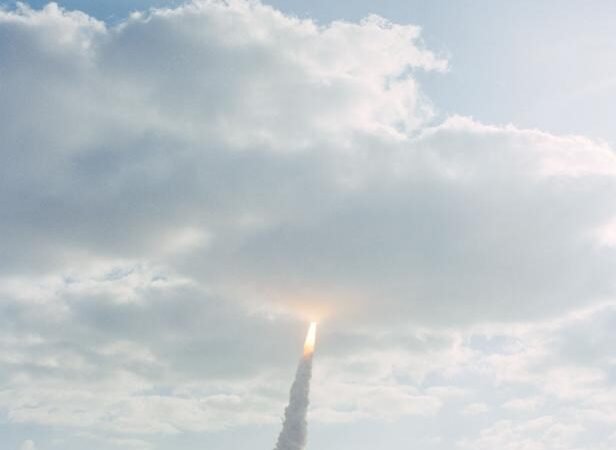
On April 11, a crew of microscopic worms will launch to the International Space Station (ISS) for a six-month mission. While these tiny creatures might seem insignificant, their journey is part of a critical research effort to understand the effects of long-term spaceflight on living organisms. For investors in the space sector, this mission underscores the growing importance of scientific research in orbit—and the companies enabling these endeavors, such as Rocket Lab ($RKLB), which often supports ISS resupply missions through its Electron rocket and Photon spacecraft.
Why This Matters to the Space Industry
The worms, specifically Caenorhabditis elegans, are ideal subjects for studying the physiological impacts of microgravity and radiation due to their short lifespans and genetic similarities to humans. The data gathered could inform future crewed missions to the Moon, Mars, and beyond, making such research a cornerstone of space exploration. For companies like Rocket Lab, which has a track record of delivering payloads to the ISS under NASA contracts, these missions highlight a steady revenue stream from government and commercial clients focused on space-based science.
Rocket Lab’s role in enabling access to low Earth orbit positions it as a key player in the expanding space economy. With a market cap of around $2 billion and a stock price that has fluctuated between $4 and $16 over the past year, $RKLB remains a volatile but potentially rewarding bet for investors. The company’s ability to secure consistent launch contracts—evidenced by its involvement in ISS missions—provides a stable foundation, though it faces competition from larger players like SpaceX.
Risks and Catalysts to Consider
While the worm mission itself won’t directly impact Rocket Lab’s bottom line, it symbolizes the broader trend of increasing demand for orbital research. Investors should note risks such as launch delays, technical failures, or shifts in NASA funding priorities, which could affect $RKLB’s contract pipeline. On the upside, successful missions and new contract wins could act as catalysts, boosting investor confidence in Rocket Lab’s growth trajectory.
What to Watch Next
Keep an eye on Rocket Lab’s upcoming launch schedule and any announcements regarding expanded ISS resupply contracts. For investors, the takeaway is clear: small missions like this one reflect the bigger picture of space as a hub for innovation. While $RKLB offers exposure to this trend, balancing its potential with inherent sector risks is key.